

 Myopia management
 Dry Eye Treatment

Experiencing Glare During Fall Night Driving? Progressive Lenses vs. Anti-Reflective Coatings in Spring, TX

Experiencing Glare During Fall Night Driving? Progressive Lenses vs. Anti-Reflective Coatings in Spring, TX
As fall brings shorter days to Spring, TX, many drivers spend more time on the road after sunset. Headlights, streetlights, and reflections from wet pavement can make nighttime vision feel more challenging, especially if glare creates halos or reduces visual comfort. Two common options people ask us about are progressive lenses and anti-reflective coatings. While both can improve how your glasses function, they address different vision needs.
Why Does Night Driving Glare Become More Noticeable?
Glare occurs when bright light makes it harder to see surrounding details clearly. At night, your eyes are already working under lower-light conditions, so headlights and other intense light sources can feel particularly distracting.
Changes in your prescription, dry eye, cataracts, or other eye conditions may also contribute to increased glare. If night driving has recently become more difficult, an eye exam can help us determine whether your prescription or eye health may be playing a role.
What Do Progressive Lenses Do?
Progressive lenses are multifocal lenses designed to provide different prescription powers within one pair of glasses. They typically allow you to see clearly at distance, intermediate, and near ranges without the visible lines found in traditional bifocals.
For drivers with presbyopia, progressive lenses can be useful because they provide distance correction for the road while also allowing access to intermediate and near vision when needed. However, progressive lenses themselves are not specifically designed to reduce glare.
A properly fitted progressive lens is important because the position of each viewing zone affects how comfortably you can use the lenses. During an eyewear fitting at our Spring practice, we can take measurements and discuss your daily visual needs.
How Do Anti-Reflective Coatings Help?
Anti-reflective coatings are applied to lens surfaces to reduce reflections. These coatings can allow more light to pass through the lenses rather than reflecting off them, which may improve visual clarity and reduce distracting reflections from headlights and streetlights.
Potential benefits of anti-reflective coatings include:
Reduced reflections on the front and back surfaces of your lenses
Less distracting glare from headlights and streetlights
Improved lens transparency and visual clarity
A clearer appearance when others look at your glasses
Added convenience for people who regularly drive after dark
Anti-reflective coatings do not change your prescription and are not a treatment for an underlying eye condition. Their main purpose is to minimize lens reflections.
Progressive Lenses vs. Anti-Reflective Coatings
Progressive lenses and anti-reflective coatings are not competing options. Progressive lenses determine how your prescription is distributed across the lens, while an anti-reflective coating affects how light reflects from the lens surfaces.
For some patients in Spring, TX, the most practical solution may be progressive lenses with an anti-reflective coating. This combination can provide multiple viewing distances while also helping minimize lens reflections during nighttime activities.
Your ideal lens design still depends on your prescription, age, visual habits, frame choice, and how you use your glasses throughout the day.
When Should You Schedule an Eye Exam?
If glare is becoming stronger, night driving feels less comfortable than it used to, or lights suddenly appear unusually blurry or surrounded by halos, it is worth having your vision evaluated. Updating a prescription may help in some cases, but an eye exam can also identify eye health changes that glasses alone cannot correct.
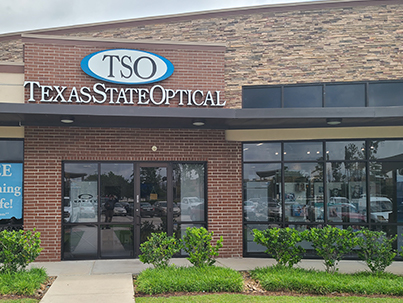
At Texas State Optical Rayford, we can evaluate your vision and help you compare progressive lenses, anti-reflective coatings, and other eyewear options based on your needs. Contact Texas State Optical Rayford at 3535 Rayford Rd Ste 500, Spring, TX 77386 by calling (346) 443-6500 to schedule your next eye exam.
Quick Links
Helpful Articles
article_category: restorative
article_category: vision therapy
article_category: contact lenses
article_category: health
article_category: conditions
article_category: eye surgery co-management
article_category: exotic
article_category: cosmetic
article_category: products
article_category: psychiatry
article_category: faqs
article_category: cats
article_category: general
article_category: services
article_category: technology
article_category: dogs
article_category: surgical procedures
article_category: aesthetics
article_category: preventative
article_category: ocular disease management
article_category: eyeglasses
article_category: eye health
article_category: large animal
[]
Flowbite is an open-source library of interactive components built on top of Tailwind CSS including buttons, dropdowns, modals, navbars, and more.
Check out this guide to learn how to get started and start developing websites even faster with components on top of Tailwind CSS.
All Eyecare Services
We offer a wide variety of eye care services to the Spring community. Contact us with any questions about our services.
Keep In Touch
For non-urgent questions or to learn more about our services, contact us today!

Contact Information
Office Hours
- Monday 9:00 AM - 6:00 PM
- Tuesday 9:00 AM - 7:00 PM
- Wednesday 9:00 AM - 6:00 PM
- Thursday 9:00 AM - 7:00 PM
- Friday 9:00 AM - 6:00 PM
- Saturday 8:30 AM - 4:00 PM
- Sunday Closed
- Monday 9:00am - 6:00pm
- Tuesday 9:00am - 6:00pm
- Wednesday 9:00am - 6:00pm
- Thursday 9:00am - 6:00pm
- Friday 9:00am - 6:00pm
- Saturday 10:00am - 2:00pm
- Sunday Closed
- Monday 8:00am - 5:00pm
- Tuesday
- Wednesday
- Thursday
- Friday
- Saturday
- Sunday
© 2026 Texas State Optical. All rights Reserved - Accessibility Statement - Privacy Policy - Sitemap
Managed and Designed by 