

 Myopia management
 Dry Eye Treatment

How Lifestyle Changes Can Improve Dry Eye Symptoms
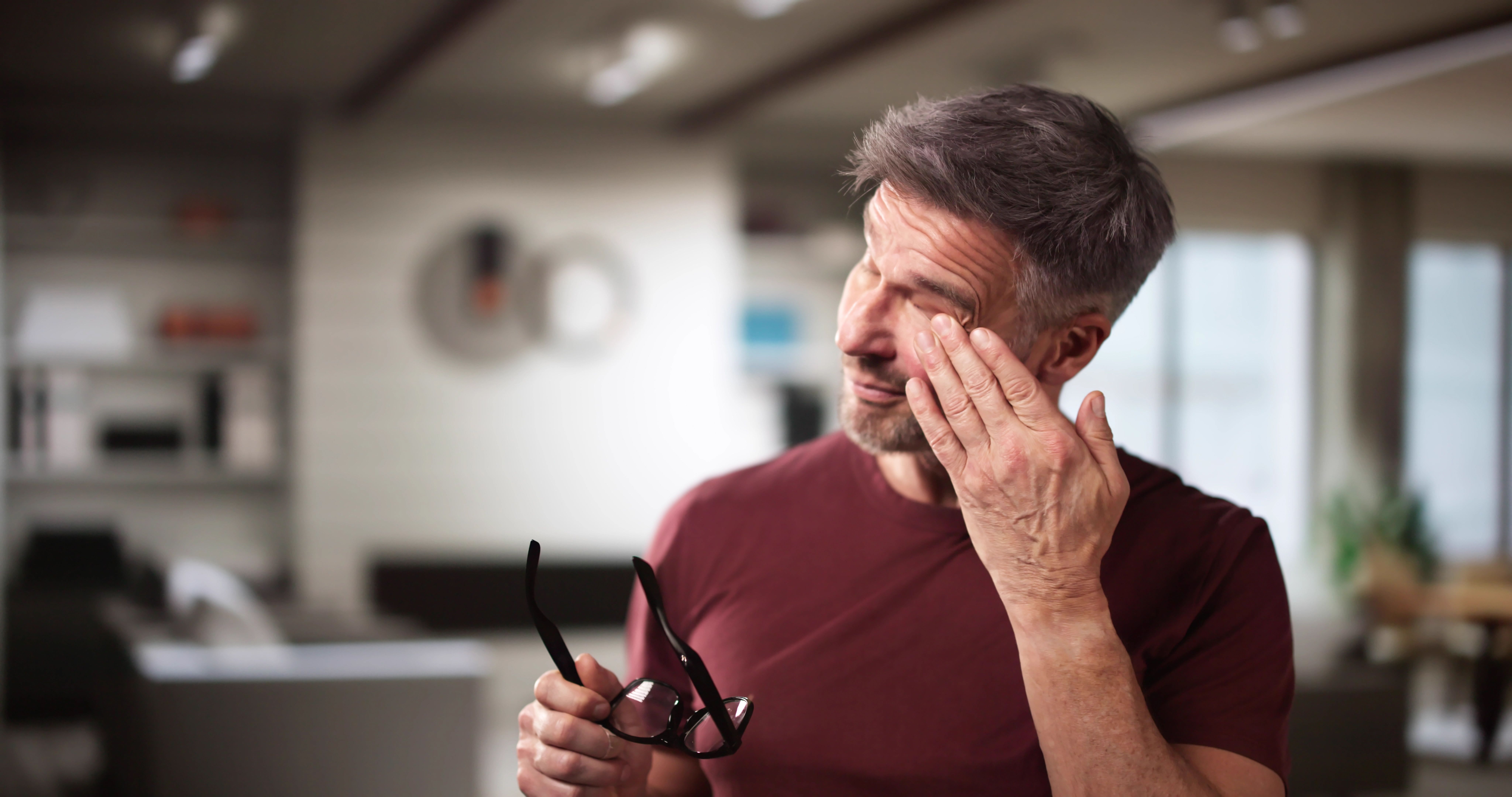
How Lifestyle Changes Can Improve Dry Eye Symptoms
Dry eye syndrome is a common condition that affects millions of people, often causing irritation, redness, burning, blurred vision, and the sensation that something is stuck in the eye. While prescription treatments and in-office therapies play an important role, many patients are surprised to learn how much their daily habits influence dry eye symptoms.
At Texas State Optical, we believe that small, consistent lifestyle changes can make a meaningful difference in eye comfort and long-term eye health. Here’s how adjusting everyday routines can help relieve dry eye symptoms and support healthier eyes.
Understand What Triggers Dry Eye
Dry eye occurs when the eyes don’t produce enough tears or when tears evaporate too quickly. Modern lifestyles often worsen these issues. Extended screen time, indoor environments with dry air, contact lens wear, and even diet can all contribute to unstable tear film and chronic dryness.
Identifying and addressing these triggers is a key step toward symptom relief.
Reduce Screen-Related Eye Strain
Digital screens are one of the most common contributors to dry eye symptoms. When staring at a computer, phone, or tablet, people blink significantly less often. Reduced blinking prevents tears from spreading evenly across the eye’s surface, leading to dryness and irritation.
Simple habits can help:
· Follow the 20-20-20 rule: every 20 minutes, look at something 20 feet away for 20 seconds
· Make a conscious effort to blink fully and frequently
· Adjust screen height so your eyes look slightly downward, reducing tear evaporation
Taking regular breaks can significantly improve comfort, especially for those who work on screens all day.
Improve Your Environment
Your surroundings have a major impact on eye moisture. Air conditioning, heating systems, fans, and windy outdoor conditions can all accelerate tear evaporation.
Consider these adjustments:
· Use a humidifier at home or in the office, especially during colder months
· Avoid direct airflow from fans or vents toward your face
· Wear wraparound sunglasses outdoors to protect eyes from wind and sun
Maintaining a more eye-friendly environment helps tears stay on the eye longer and reduces irritation.
Stay Hydrated
Hydration affects every part of your body, including your eyes. When the body is dehydrated, tear production can decrease, making dry eye symptoms worse.
Make it a habit to:
· Drink water consistently throughout the day
· Limit excessive caffeine and alcohol, which can contribute to dehydration
Proper hydration supports healthier tear production and overall eye comfort.
Adjust Your Diet for Eye Health
What you eat can influence inflammation and tear quality. Diets low in essential nutrients may worsen dry eye symptoms over time.
Foods that may support eye health include:
· Omega-3 fatty acids found in fish, flaxseed, and walnuts
· Leafy green vegetables rich in antioxidants
· Foods high in vitamins A, C, and E
Omega-3s, in particular, have been shown to support the oil layer of tears, helping prevent rapid evaporation.
Be Mindful of Contact Lens Use
Contact lenses can sometimes worsen dry eye symptoms, especially when worn for long periods or in dry environments.
Helpful tips include:
· Following recommended wearing schedules
· Using contact lens rewetting drops as advised
· Switching to daily disposable or specialty lenses if dryness persists
Your eye doctor can help determine whether your current lenses are contributing to discomfort and suggest alternatives.
Prioritize Sleep and Eye Rest
Poor sleep can increase inflammation throughout the body, including the eyes. Inadequate rest may also worsen symptoms such as redness and irritation.
Aim for consistent, quality sleep and avoid prolonged screen use right before bedtime. If you sleep with a fan or air vent blowing toward your face, adjusting airflow can also help reduce overnight dryness.
When Lifestyle Changes Aren’t Enough
While lifestyle adjustments can greatly improve mild to moderate dry eye symptoms, some cases require professional treatment. Chronic dry eye may be linked to underlying conditions such as meibomian gland dysfunction, allergies, or hormonal changes.
A comprehensive eye exam can identify the root cause of dryness and guide treatment options, which may include prescription eye drops, in-office therapies, or customized treatment plans.
Take the First Step Toward Comfortable Vision with Texas State Optical
Dry eye symptoms can be frustrating, but relief is often possible with thoughtful lifestyle changes. By reducing screen strain, improving your environment, staying hydrated, eating a balanced diet, and prioritizing eye care, you can support healthier, more comfortable eyes every day.
If you’re experiencing persistent dry eye symptoms, schedule a comprehensive eye exam at Texas State Optical. Contact our office in Spring, Texas, by calling (346) 443-6500 to book an appointment today.
Quick Links
Helpful Articles
article_category: products
article_category: psychiatry
article_category: faqs
article_category: cats
article_category: general
article_category: services
article_category: technology
article_category: dogs
article_category: restorative
article_category: vision therapy
article_category: contact lenses
article_category: health
article_category: conditions
article_category: eye surgery co-management
article_category: exotic
article_category: cosmetic
article_category: surgical procedures
article_category: aesthetics
article_category: preventative
article_category: ocular disease management
article_category: eyeglasses
article_category: eye health
article_category: large animal
[]
article_category: psychiatry
article_category: faqs
article_category: cats
article_category: general
article_category: services
article_category: technology
article_category: dogs
article_category: restorative
article_category: vision therapy
article_category: contact lenses
article_category: health
article_category: conditions
article_category: eye surgery co-management
article_category: exotic
article_category: cosmetic
article_category: surgical procedures
article_category: aesthetics
article_category: preventative
article_category: ocular disease management
article_category: eyeglasses
article_category: eye health
article_category: large animal
[]
Flowbite is an open-source library of interactive components built on top of Tailwind CSS including buttons, dropdowns, modals, navbars, and more.
Check out this guide to learn how to get started and start developing websites even faster with components on top of Tailwind CSS.
All Eyecare Services
We offer a wide variety of eye care services to the Spring community. Contact us with any questions about our services.

Keep In Touch
For non-urgent questions or to learn more about our services, contact us today!

Contact Information
Office Hours
- Monday 9:00 AM - 6:00 PM
- Tuesday 9:00 AM - 7:00 PM
- Wednesday 9:00 AM - 6:00 PM
- Thursday 9:00 AM - 7:00 PM
- Friday 9:00 AM - 6:00 PM
- Saturday 8:30 AM - 4:00 PM
- Sunday Closed
- Monday 9:00am - 6:00pm
- Tuesday 9:00am - 6:00pm
- Wednesday 9:00am - 6:00pm
- Thursday 9:00am - 6:00pm
- Friday 9:00am - 6:00pm
- Saturday 10:00am - 2:00pm
- Sunday Closed
- Monday 8:00am - 5:00pm
- Tuesday
- Wednesday
- Thursday
- Friday
- Saturday
- Sunday
© 2026 Texas State Optical. All rights Reserved - Accessibility Statement - Privacy Policy - Sitemap
Managed and Designed by 