

 Myopia management
 Dry Eye Treatment

Preventing Serious Eye Issues: The Importance of Myopia Control

Preventing Serious Eye Issues: The Importance of Myopia Control
Myopia, or nearsightedness, is often noticed when a child starts squinting, sitting closer to the board, holding books close, or struggling to see clearly at a distance. While glasses or contact lenses can help sharpen vision, they do not always address the bigger concern - myopia progression.
At Texas State Optical Rayford, we focus on helping families understand how myopia control can support clearer vision today while helping protect long-term eye health.
How Myopia Can Affect Long-Term Eye Health
As myopia progresses, the eye typically grows longer than it should. This can stretch the internal structures of the eye and may increase the risk of more serious eye conditions later in life, including retinal problems, glaucoma, and myopic macular degeneration.
That is why early detection matters. The sooner we identify changes in your child’s vision, the sooner we can discuss options designed to help slow progression.
Signs Your Child May Be Developing Myopia
Myopia can develop gradually, so some children do not realize their vision has changed. Parents may notice subtle shifts in behavior before a child complains about blurry vision.
Common signs may include:
- Squinting to see faraway objects
- Sitting too close to the TV or board at school
- Frequent headaches or tired eyes
- Holding books, tablets, or phones very close
- Rubbing the eyes often
- Avoiding sports or activities that require distance vision
If these signs sound familiar, a pediatric eye exam can help determine whether myopia is present and how quickly it may be changing.
What Myopia Control Can Do
Myopia control is designed to do more than correct blurry vision. The goal is to help slow the progression of nearsightedness during the years when the eyes are still developing.
Depending on your child’s needs, treatment may include options such as Ortho-K, MiSight contact lenses, or low-dose atropine drops. Each option works differently, which is why a personalized exam is important before choosing a treatment plan.
Why Regular Eye Exams Are Important
Children’s vision can change quickly, especially during school-age years. Regular eye exams allow us to monitor prescription changes, evaluate eye health, and adjust myopia management as needed.
At our Spring, TX office, we take time to look at your child’s vision, eye growth patterns, daily habits, and overall eye health. This helps us recommend an approach that fits your child’s lifestyle and supports healthy visual development.
Supporting Your Child’s Vision At Home
While professional myopia control plays an important role, healthy daily habits can also support your child’s eyes. Encouraging outdoor time, taking screen breaks, and making sure reading or homework is done with proper lighting may help reduce unnecessary visual strain.
Small changes can make a meaningful difference when paired with consistent eye care and early monitoring.
Schedule A Myopia Control Consultation
If your child is becoming more nearsighted or you have concerns about their long-term eye health, contact Texas State Optical Rayford in Spring, TX by calling (346) 443-6500 to schedule a pediatric eye exam or myopia control consultation at 3535 Rayford Rd Ste 500, Spring, TX 77386.
Quick Links
Helpful Articles
article_category: products
article_category: psychiatry
article_category: faqs
article_category: cats
article_category: general
article_category: services
article_category: technology
article_category: dogs
article_category: restorative
article_category: vision therapy
article_category: contact lenses
article_category: health
article_category: conditions
article_category: eye surgery co-management
article_category: exotic
article_category: cosmetic
article_category: surgical procedures
article_category: aesthetics
article_category: preventative
article_category: ocular disease management
article_category: eyeglasses
article_category: eye health
article_category: large animal
[]
article_category: psychiatry
article_category: faqs
article_category: cats
article_category: general
article_category: services
article_category: technology
article_category: dogs
article_category: restorative
article_category: vision therapy
article_category: contact lenses
article_category: health
article_category: conditions
article_category: eye surgery co-management
article_category: exotic
article_category: cosmetic
article_category: surgical procedures
article_category: aesthetics
article_category: preventative
article_category: ocular disease management
article_category: eyeglasses
article_category: eye health
article_category: large animal
[]
Flowbite is an open-source library of interactive components built on top of Tailwind CSS including buttons, dropdowns, modals, navbars, and more.
Check out this guide to learn how to get started and start developing websites even faster with components on top of Tailwind CSS.
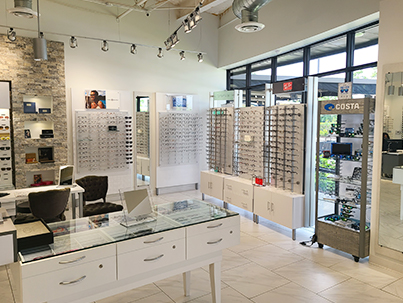
All Eyecare Services
We offer a wide variety of eye care services to the Spring community. Contact us with any questions about our services.
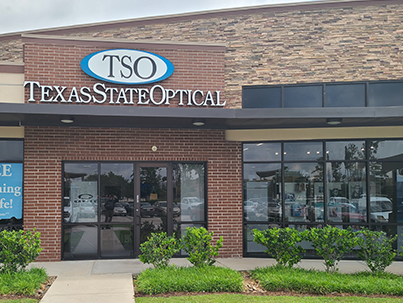
Keep In Touch
For non-urgent questions or to learn more about our services, contact us today!

Contact Information
Office Hours
- Monday 9:00 AM - 6:00 PM
- Tuesday 9:00 AM - 7:00 PM
- Wednesday 9:00 AM - 6:00 PM
- Thursday 9:00 AM - 7:00 PM
- Friday 9:00 AM - 6:00 PM
- Saturday 8:30 AM - 4:00 PM
- Sunday Closed
- Monday 9:00am - 6:00pm
- Tuesday 9:00am - 6:00pm
- Wednesday 9:00am - 6:00pm
- Thursday 9:00am - 6:00pm
- Friday 9:00am - 6:00pm
- Saturday 10:00am - 2:00pm
- Sunday Closed
- Monday 8:00am - 5:00pm
- Tuesday
- Wednesday
- Thursday
- Friday
- Saturday
- Sunday
© 2026 Texas State Optical. All rights Reserved - Accessibility Statement - Privacy Policy - Sitemap
Managed and Designed by 