

 Myopia management
 Dry Eye Treatment

Screen Time and Dry Eye: How Digital Devices Affect Your Eyes

Screen Time and Dry Eye: How Digital Devices Affect Your Eyes
In today’s digital world, screens are everywhere. From computers and tablets to smartphones and televisions, most of us spend hours each day focused on digital devices. While technology keeps us connected and productive, it can also take a toll on our eye health. One of the most common complaints linked to prolonged screen use is dry eye.
At Texas State Optical, we frequently see patients experiencing irritation, burning, blurred vision, and eye fatigue related to screen time. Understanding how digital devices affect your eyes is the first step toward relief and prevention.
What Is Dry Eye?
Dry eye occurs when your eyes do not produce enough tears or when the quality of your tears is poor. Tears are essential for maintaining eye comfort and clear vision. They lubricate the surface of the eye, wash away debris, and help protect against infection.
When tear production is disrupted, symptoms may include:
- Burning or stinging sensations
- Redness
- Grittiness or the feeling of something in your eye
- Blurry vision that improves with blinking
- Sensitivity to light
- Watery eyes (a reflex response to dryness)
How Screen Time Contributes to Dry Eye
Reduced Blinking
One of the biggest contributors to digital-related dry eye is reduced blinking. On average, people blink about 15–20 times per minute. However, when staring at a screen, that number can drop by as much as 50%. When you blink less frequently, tears evaporate more quickly, leading to dryness and irritation.
Incomplete Blinks
Even when you do blink during screen use, you may not fully close your eyelids. Incomplete blinks prevent tears from properly coating the entire eye surface, which can worsen dryness over time.
Prolonged Focus and Eye Strain
Extended periods of close-up focus increase visual demand and strain the eye muscles. This strain, combined with dryness, can result in digital eye strain, also known as computer vision syndrome. Symptoms often overlap with dry eye and may include headaches, neck and shoulder pain, and difficulty refocusing.
Environmental Factors
Many people use digital devices in air-conditioned offices or rooms with ceiling fans and heating systems. These environments can reduce humidity and increase tear evaporation. Screen positioning - especially when placed higher than eye level - can also cause the eyes to open wider, exposing more surface area and accelerating tear loss.
Who Is Most at Risk?
While anyone can develop dry eye from excessive screen time, certain individuals are more vulnerable:
- Office workers and remote employees
- Students engaged in prolonged online learning
- Gamers
- Individuals over 40
- Contact lens wearers
- People with underlying health conditions or certain medications that affect tear production
Tips to Reduce Screen-Related Dry Eye
Fortunately, small adjustments can make a significant difference.
Follow the 20-20-20 Rule - Every 20 minutes, look at something 20 feet away for at least 20 seconds. This helps reduce strain and encourages more natural blinking.
Be Mindful of Blinking - Make a conscious effort to blink fully and frequently, especially during long work sessions.
Adjust Screen Position - Position your screen slightly below eye level. This allows your eyelids to cover more of the eye surface, reducing evaporation.
Improve Your Environment - Use a humidifier in dry environments and avoid direct airflow from vents or fans toward your face.
Stay Hydrated - Proper hydration supports healthy tear production.
Use Artificial Tears - Over-the-counter lubricating eye drops can provide temporary relief. However, frequent or persistent symptoms should be evaluated by an eye care professional.
When to See an Eye Doctor
Occasional dryness after a long day on the computer is common. But if symptoms are persistent, worsening, or interfering with your daily life, it’s time for a professional evaluation.
At Texas State Optical, we perform comprehensive eye exams to identify the root cause of your dry eye symptoms. Dry eye can be linked to underlying conditions such as meibomian gland dysfunction, hormonal changes, or inflammation. Proper diagnosis allows for targeted treatment options beyond basic eye drops.
Treatment plans may include prescription medications, in-office therapies, lifestyle adjustments, or specialized contact lens recommendations.
Protect Your Vision in a Digital World
Screen time and dry eye are closely connected, largely due to reduced blinking, prolonged focus, and environmental factors. While occasional dryness may seem minor, persistent symptoms can signal a more significant issue that requires professional care.
If you’re experiencing dry, irritated, or fatigued eyes from screen use, Texas State Optical is here to help. Contact our office in Spring, Texas, by calling (346) 443-6500 to book an appointment today.
Quick Links
Helpful Articles
article_category: products
article_category: psychiatry
article_category: faqs
article_category: cats
article_category: general
article_category: services
article_category: technology
article_category: dogs
article_category: restorative
article_category: vision therapy
article_category: contact lenses
article_category: health
article_category: conditions
article_category: eye surgery co-management
article_category: exotic
article_category: cosmetic
article_category: surgical procedures
article_category: aesthetics
article_category: preventative
article_category: ocular disease management
article_category: eyeglasses
article_category: eye health
article_category: large animal
[]
article_category: psychiatry
article_category: faqs
article_category: cats
article_category: general
article_category: services
article_category: technology
article_category: dogs
article_category: restorative
article_category: vision therapy
article_category: contact lenses
article_category: health
article_category: conditions
article_category: eye surgery co-management
article_category: exotic
article_category: cosmetic
article_category: surgical procedures
article_category: aesthetics
article_category: preventative
article_category: ocular disease management
article_category: eyeglasses
article_category: eye health
article_category: large animal
[]
Flowbite is an open-source library of interactive components built on top of Tailwind CSS including buttons, dropdowns, modals, navbars, and more.
Check out this guide to learn how to get started and start developing websites even faster with components on top of Tailwind CSS.
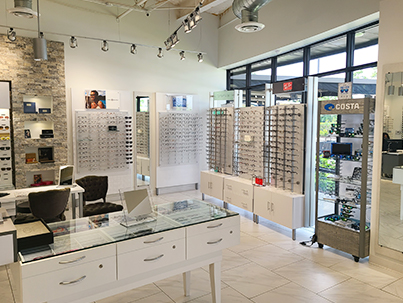
All Eyecare Services
We offer a wide variety of eye care services to the Spring community. Contact us with any questions about our services.

Keep In Touch
For non-urgent questions or to learn more about our services, contact us today!

Contact Information
Office Hours
- Monday 9:00 AM - 6:00 PM
- Tuesday 9:00 AM - 7:00 PM
- Wednesday 9:00 AM - 6:00 PM
- Thursday 9:00 AM - 7:00 PM
- Friday 9:00 AM - 6:00 PM
- Saturday 8:30 AM - 4:00 PM
- Sunday Closed
- Monday 9:00am - 6:00pm
- Tuesday 9:00am - 6:00pm
- Wednesday 9:00am - 6:00pm
- Thursday 9:00am - 6:00pm
- Friday 9:00am - 6:00pm
- Saturday 10:00am - 2:00pm
- Sunday Closed
- Monday 8:00am - 5:00pm
- Tuesday
- Wednesday
- Thursday
- Friday
- Saturday
- Sunday
© 2026 Texas State Optical. All rights Reserved - Accessibility Statement - Privacy Policy - Sitemap
Managed and Designed by 