

 Myopia management
 Dry Eye Treatment

Watery Eyes in the Spring Heat? The Paradoxical Biology of Mid-Summer Evaporative Dry Eye

Watery Eyes in the Spring Heat? The Paradoxical Biology of Mid-Summer Evaporative Dry Eye
Watery eyes can be confusing. Most people assume extra tearing means their eyes are not dry, but the opposite can be true. During the peak of summer in Spring, TX, heat, humidity, allergens, air conditioning, and long screen-heavy days can disrupt the tear film and trigger evaporative dry eye. When that happens, the eyes may water more while still feeling gritty, irritated, or dry.
At TSO Rayford in Spring, our eye care team helps patients understand what is causing their symptoms and how to find more lasting relief than repeatedly reaching for over-the-counter drops.
Why Watery Eyes Can Still Be Dry
A healthy tear film has multiple layers that work together to keep the eye surface comfortable. The watery layer provides moisture, while the oily layer helps keep that moisture from evaporating too quickly. When the oily layer is weak or unstable, tears evaporate faster than they should.
As the eye surface becomes irritated, the body may respond by producing reflex tears. These tears can run down your face or make your eyes look watery, but they often do not have the right balance to keep the eyes comfortable. This is why dry eye can cause both excessive tearing and a scratchy, burning feeling.
How Spring’s Summer Heat Makes Symptoms Worse
Summer in Spring can expose your eyes to several dry eye triggers in the same day. Outdoor heat can increase evaporation, while pollen, dust, sweat, and sunscreen may irritate the eye surface. Indoors, air conditioning can reduce humidity and dry the tear film.
Many patients notice symptoms while driving, working at a computer, shopping, spending time outside, or moving between hot outdoor air and cold indoor air. If your eyes already have tear film instability, these daily changes can make symptoms more noticeable by afternoon.
What Is Evaporative Dry Eye?
Evaporative dry eye happens when the tear film dries out too quickly. A common cause is meibomian gland dysfunction, also called MGD. The meibomian glands are tiny oil glands along the eyelids. They produce the oil that helps stabilize tears between blinks.
When these glands become blocked or inflamed, the tear film loses protection. The result can be burning, stinging, redness, fluctuating vision, light sensitivity, and watery eyes that do not feel relieved.
Signs You May Need A Dry Eye Evaluation
Occasional irritation may improve with simple changes, but ongoing symptoms should be checked. Schedule an eye exam if you notice:
- Watery eyes that still feel dry or gritty
- Burning, stinging, or scratchy eyes
- Redness that keeps returning
- Blurry vision that improves after blinking
- Contact lens discomfort
- Light sensitivity outdoors
- Irritation from fans or air conditioning
- Frequent need for artificial tears
These symptoms may be related to evaporative dry eye, allergies, blepharitis, contact lens irritation, or another eye health concern.
Why Standard Drops May Not Be Enough
Artificial tears can provide temporary moisture, but they may not treat the cause of evaporative dry eye. If the problem is poor oil quality, blocked eyelid glands, inflammation, or lid irritation, symptoms may return soon after drops are used.
A comprehensive dry eye evaluation helps your optometrist look at the tear film, eyelids, oil glands, eye surface, and contributing lifestyle factors. This makes it easier to recommend care based on the cause of your symptoms instead of guessing.
How To Reduce Summer Flare-Ups
Small habits can help protect your eyes during hot Texas weather. Avoid direct airflow from vents, wear wraparound sunglasses outdoors, take screen breaks, blink fully during computer work, and remove makeup thoroughly at night. If allergies are part of the problem, avoid rubbing your eyes because it can increase irritation.
Contact lens wearers should also be careful. Heat, pollen, and air conditioning can make lenses feel dry or dirty faster. Your eye doctor may recommend a different lens material, wearing schedule, or dry eye treatment plan.
Get Ahead Of Mid-Summer Dry Eye
Watery eyes in the Spring heat are not always a sign of too many tears. They may be a sign that your tear film is unstable and your eyes are trying to compensate. With the right diagnosis and treatment plan, you can better manage irritation, reduce flare-ups, and feel more comfortable through the summer.
To schedule a dry eye evaluation, contact TSO Rayford in Spring, TX at 3535 Rayford Rd Ste 500, Spring, TX 77386, or call (346) 660-4172.
Quick Links
Helpful Articles
article_category: products
article_category: psychiatry
article_category: faqs
article_category: cats
article_category: general
article_category: services
article_category: technology
article_category: dogs
article_category: restorative
article_category: vision therapy
article_category: contact lenses
article_category: health
article_category: conditions
article_category: eye surgery co-management
article_category: exotic
article_category: cosmetic
article_category: surgical procedures
article_category: aesthetics
article_category: preventative
article_category: ocular disease management
article_category: eyeglasses
article_category: eye health
article_category: large animal
[]
article_category: psychiatry
article_category: faqs
article_category: cats
article_category: general
article_category: services
article_category: technology
article_category: dogs
article_category: restorative
article_category: vision therapy
article_category: contact lenses
article_category: health
article_category: conditions
article_category: eye surgery co-management
article_category: exotic
article_category: cosmetic
article_category: surgical procedures
article_category: aesthetics
article_category: preventative
article_category: ocular disease management
article_category: eyeglasses
article_category: eye health
article_category: large animal
[]
Flowbite is an open-source library of interactive components built on top of Tailwind CSS including buttons, dropdowns, modals, navbars, and more.
Check out this guide to learn how to get started and start developing websites even faster with components on top of Tailwind CSS.
All Eyecare Services
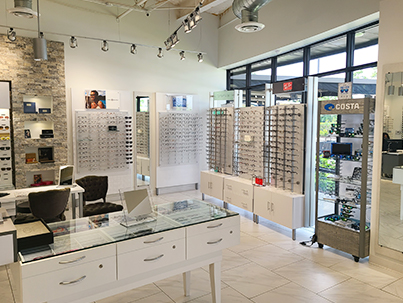
We offer a wide variety of eye care services to the Spring community. Contact us with any questions about our services.
Keep In Touch
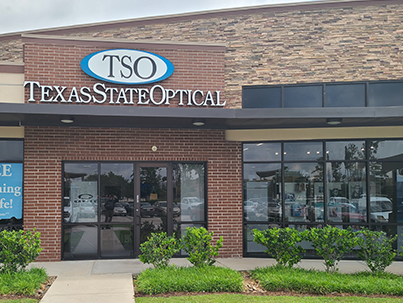
For non-urgent questions or to learn more about our services, contact us today!

Contact Information
Office Hours
- Monday 9:00 AM - 6:00 PM
- Tuesday 9:00 AM - 7:00 PM
- Wednesday 9:00 AM - 6:00 PM
- Thursday 9:00 AM - 7:00 PM
- Friday 9:00 AM - 6:00 PM
- Saturday 8:30 AM - 4:00 PM
- Sunday Closed
- Monday 9:00am - 6:00pm
- Tuesday 9:00am - 6:00pm
- Wednesday 9:00am - 6:00pm
- Thursday 9:00am - 6:00pm
- Friday 9:00am - 6:00pm
- Saturday 10:00am - 2:00pm
- Sunday Closed
- Monday 8:00am - 5:00pm
- Tuesday
- Wednesday
- Thursday
- Friday
- Saturday
- Sunday
© 2026 Texas State Optical. All rights Reserved - Accessibility Statement - Privacy Policy - Sitemap
Managed and Designed by 