

 Myopia management
 Dry Eye Treatment

Is Your Child Squinting at the Board? Recognizing Nearsightedness in Students
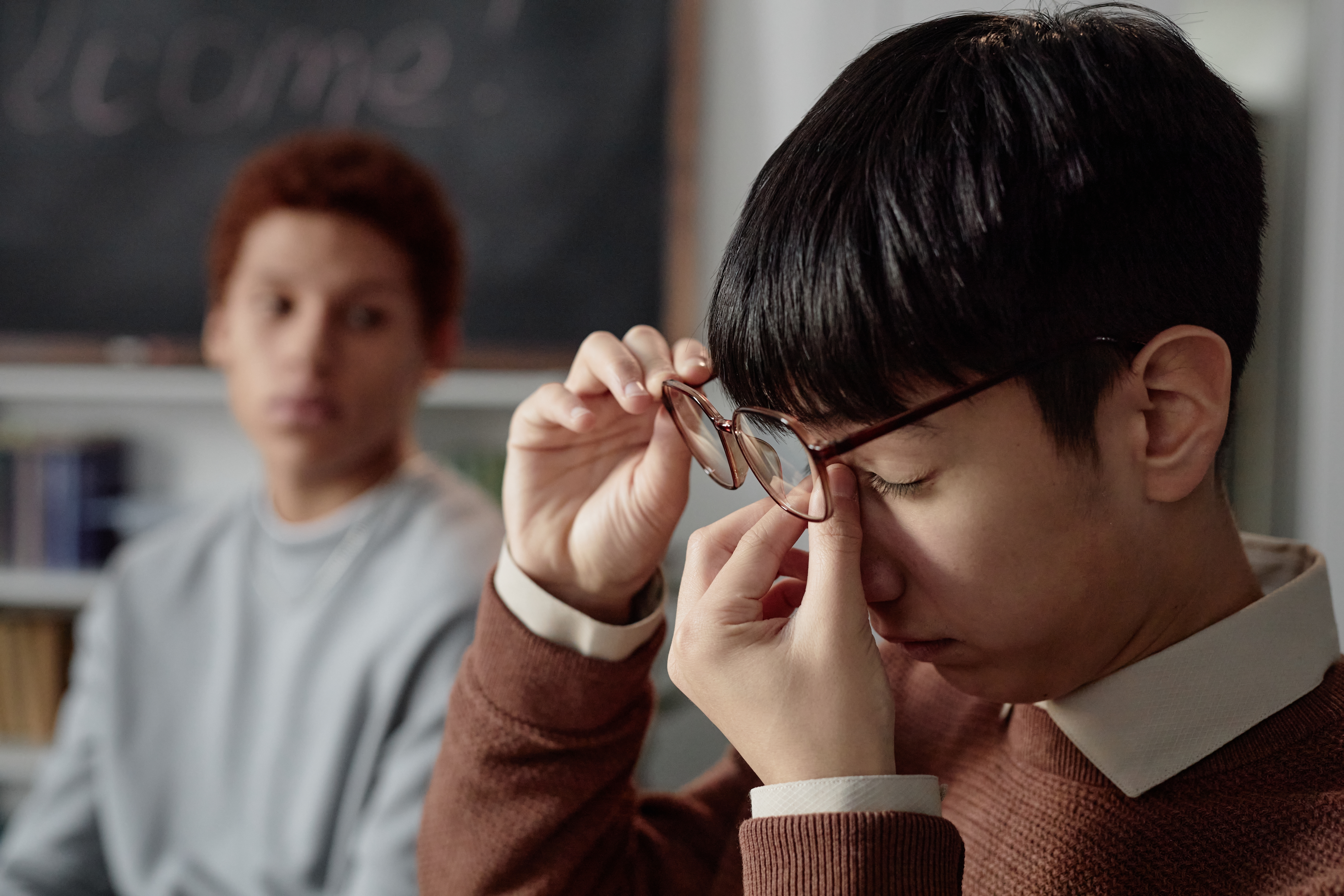
Is Your Child Squinting at the Board? Recognizing Nearsightedness in Students
If your child can read a book or look at a tablet comfortably but struggles to see the classroom board, nearsightedness may be the reason. Also called myopia, nearsightedness causes distant objects to appear blurry while close-up vision remains clearer. Because myopia often develops during the school years, recognizing the signs early can help children see more clearly in the classroom and beyond.
Common Signs of Nearsightedness in Children
Children do not always realize their vision is blurry. They may assume everyone sees the same way they do, which can make changes in vision easy to overlook.
Signs that may indicate nearsightedness include:
• Squinting when looking at the board, television, or distant objects
• Sitting closer to the television or moving closer to the front of the classroom
• Holding devices or books unusually close
• Complaining of headaches or tired eyes
• Difficulty recognizing people or objects from a distance
• Declining interest in activities that require clear distance vision
• Frequently rubbing the eyes or blinking when trying to focus
If you notice these behaviors, scheduling a pediatric eye exam can help determine whether myopia or another vision concern is affecting your child.
Why Myopia Can Affect School Performance
Clear vision plays an important role in learning. Students regularly shift their focus between notebooks, digital devices, classroom displays, and teachers at the front of the room. When distance vision is blurry, a child may miss information on the board or have difficulty following classroom demonstrations. In some cases, a student may appear distracted or reluctant to participate when the real issue is that they cannot clearly see what is happening across the classroom.
A School Vision Screening May Not Be Enough
School vision screenings can identify some obvious vision problems, but they are not a substitute for a comprehensive eye exam. A pediatric eye exam allows us to evaluate visual acuity, prescription needs, eye health, focusing ability, and other aspects of the visual system. Regular eye exams are especially important during the school years because a child's prescription can change as their eyes grow.
When Nearsightedness Continues to Progress
For some children, myopia becomes stronger from year to year. Updating glasses or contact lenses can provide clearer vision, but children with progressive myopia may also benefit from discussing myopia management.
Depending on the child's eyes, prescription, age, and lifestyle, options may include specialized contact lenses such as MiSight, Ortho-K lenses worn overnight, or low-dose atropine eye drops. Our eye doctors can evaluate how quickly a child's nearsightedness is changing and discuss which approach may be appropriate.
If your child is squinting at the board, moving closer to see distant objects, or showing other signs of nearsightedness, schedule a pediatric eye exam with Texas State Optical Rayford to learn more about personalized treatment options. Visit our office in Spring, TX, or call (346) 660-4172 to book an appointment.
Quick Links
Helpful Articles
article_category: products
article_category: psychiatry
article_category: faqs
article_category: cats
article_category: general
article_category: services
article_category: technology
article_category: dogs
article_category: restorative
article_category: vision therapy
article_category: contact lenses
article_category: health
article_category: conditions
article_category: eye surgery co-management
article_category: exotic
article_category: cosmetic
article_category: surgical procedures
article_category: aesthetics
article_category: preventative
article_category: ocular disease management
article_category: eyeglasses
article_category: eye health
article_category: large animal
[]
Flowbite is an open-source library of interactive components built on top of Tailwind CSS including buttons, dropdowns, modals, navbars, and more.
Check out this guide to learn how to get started and start developing websites even faster with components on top of Tailwind CSS.
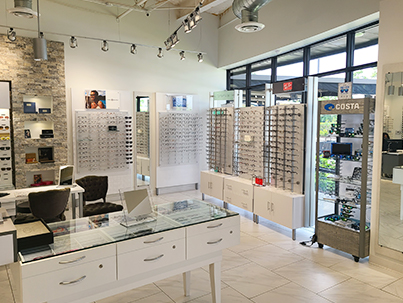
All Eyecare Services
We offer a wide variety of eye care services to the Spring community. Contact us with any questions about our services.
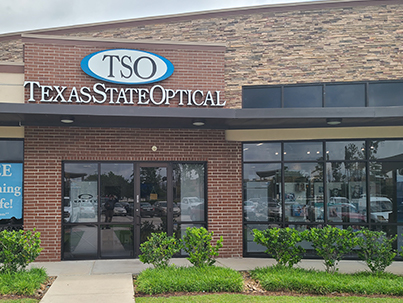
Keep In Touch
For non-urgent questions or to learn more about our services, contact us today!

Contact Information
Office Hours
- Monday 9:00 AM - 6:00 PM
- Tuesday 9:00 AM - 7:00 PM
- Wednesday 9:00 AM - 6:00 PM
- Thursday 9:00 AM - 7:00 PM
- Friday 9:00 AM - 6:00 PM
- Saturday 8:30 AM - 4:00 PM
- Sunday Closed
- Monday 9:00am - 6:00pm
- Tuesday 9:00am - 6:00pm
- Wednesday 9:00am - 6:00pm
- Thursday 9:00am - 6:00pm
- Friday 9:00am - 6:00pm
- Saturday 10:00am - 2:00pm
- Sunday Closed
- Monday 8:00am - 5:00pm
- Tuesday
- Wednesday
- Thursday
- Friday
- Saturday
- Sunday
© 2026 Texas State Optical. All rights Reserved - Accessibility Statement - Privacy Policy - Sitemap
Managed and Designed by 